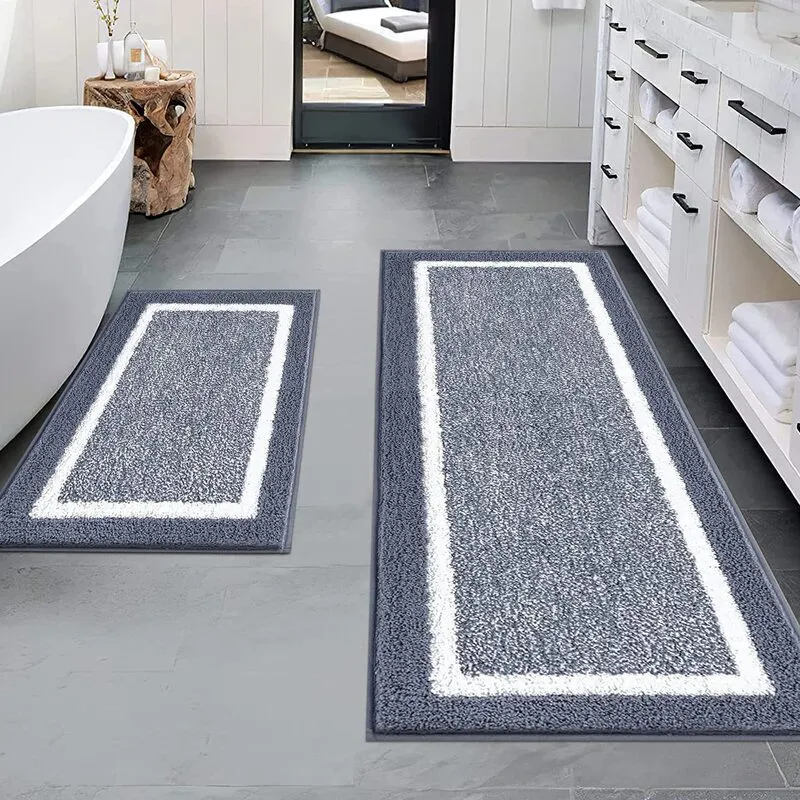
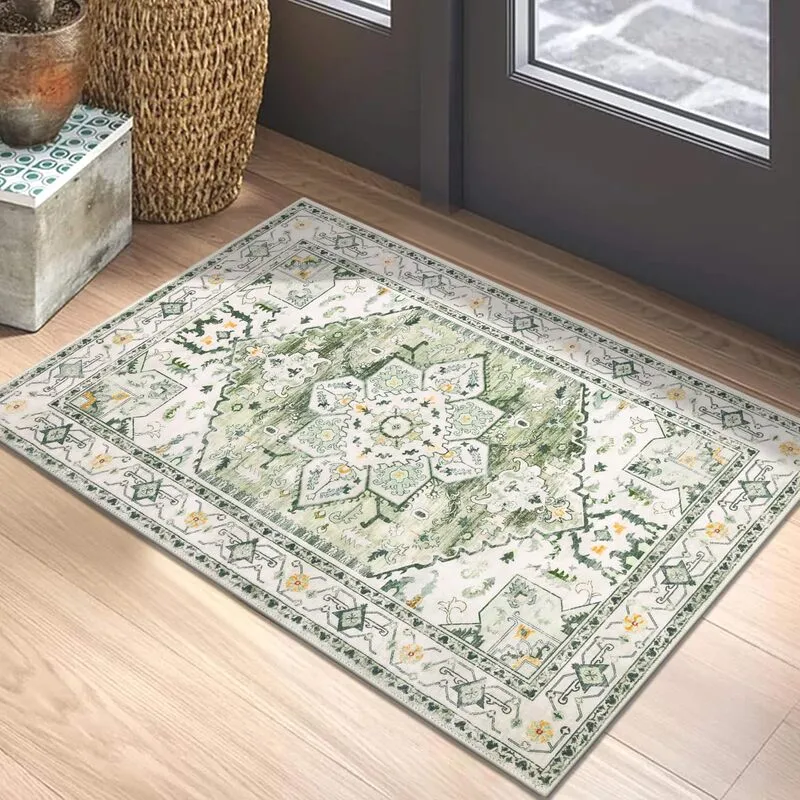
A digital design can be approved while the rug is still unresolved. The material, border scale, reverse construction and finished edge may all need physical decisions before production.
Keep artwork approval, sample approval and bulk-order release as separate steps. Use one current specification to connect them. The workflow below helps a buyer describe the intended result, review proposals and avoid releasing an order from an outdated file.
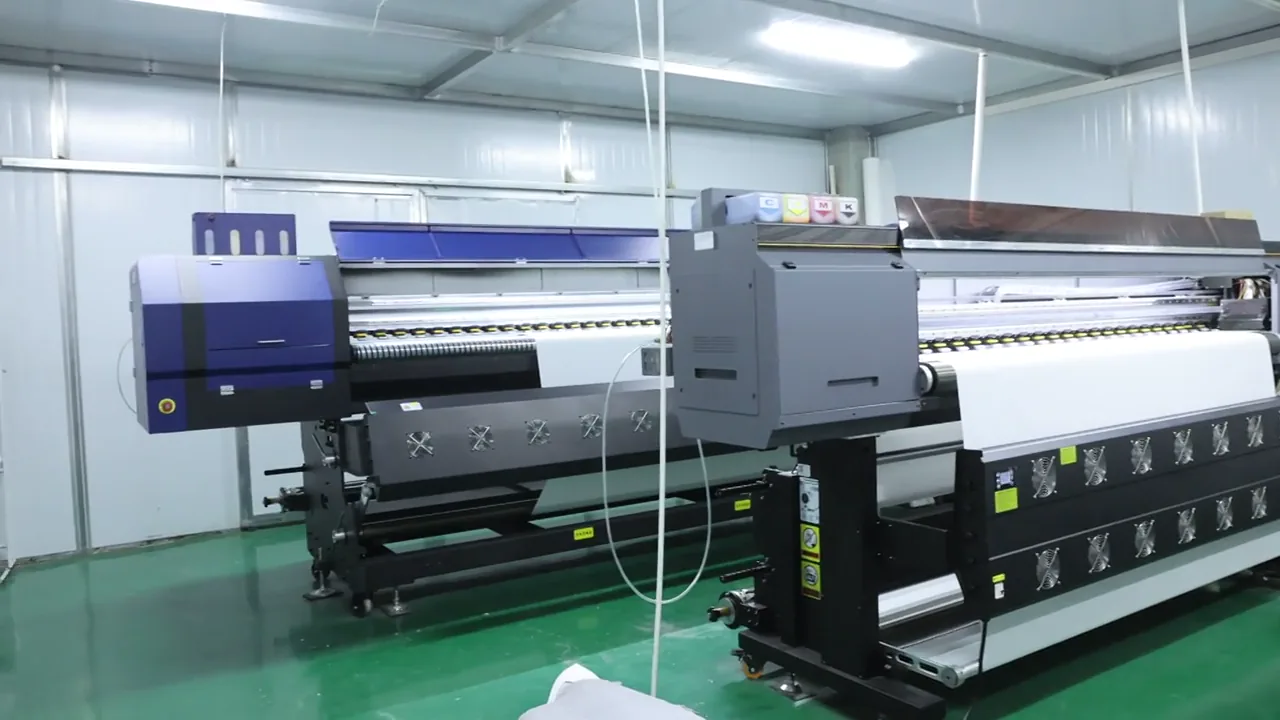
Start with a brief that explains the intended result
Describe the intended use, customer or project, finished size, appearance and care requirements. Include the destination and any required evidence. Mark reference images as inspiration or exact artwork requirements so that a general mood board is not mistaken for a production file.
Specify which attributes are flexible. A retail range seeking a coordinated palette may accept a stock construction; a project needing a precise footprint may prioritize size. Separating essential requirements from preferences lets the supplier evaluate feasible routes before sample work begins.
| Area | Information to provide | Question to settle |
|---|---|---|
| Use and destination | Retail or project setting, country and floor conditions | Which requirements apply to the finished product? |
| Design | Artwork, references, palette and pattern scale | What is inspiration and what needs exact approval? |
| Budownictwo | Known face, backing, thickness and edge requirements | Which details need supplier proposals? |
| Wymiary | Finished sizes, orientation and quantities | Are tolerances and size-dependent changes defined? |
| Care and evidence | Intended method and requested documentation | Which reviews or external tests are required? |
| Packaging | Sellable unit, labels and carton requirements | Is the request product custom, private label or both? |
Review feasibility and quotation assumptions together
Ask the supplier which proposed features fit the available construction and which require a different route. A printing method, edge treatment or backing may limit how an idea can be realized. Keep alternatives visible rather than silently changing the brief to make the quote appear comparable.
Separate sample charges, development or setup costs, product pricing and any packaging costs. Confirm what is included, what remains provisional and what can change after sample review. Quantities should be shown by size, color and sellable unit.
If an Incoterms® rule is used, record the named place and edition with the quotation. ICC’s rules define relevant delivery responsibilities and allocation of costs and risks; they do not replace the product specification or sample approval. [1]
Use a schedule with decision dependencies: artwork must be ready before a design-specific sample can be approved, and some testing may depend on the finished construction. Ask for proposed dates against those dependencies instead of filling the plan with an assumed standard lead time.
Approve artwork without treating it as a physical sample
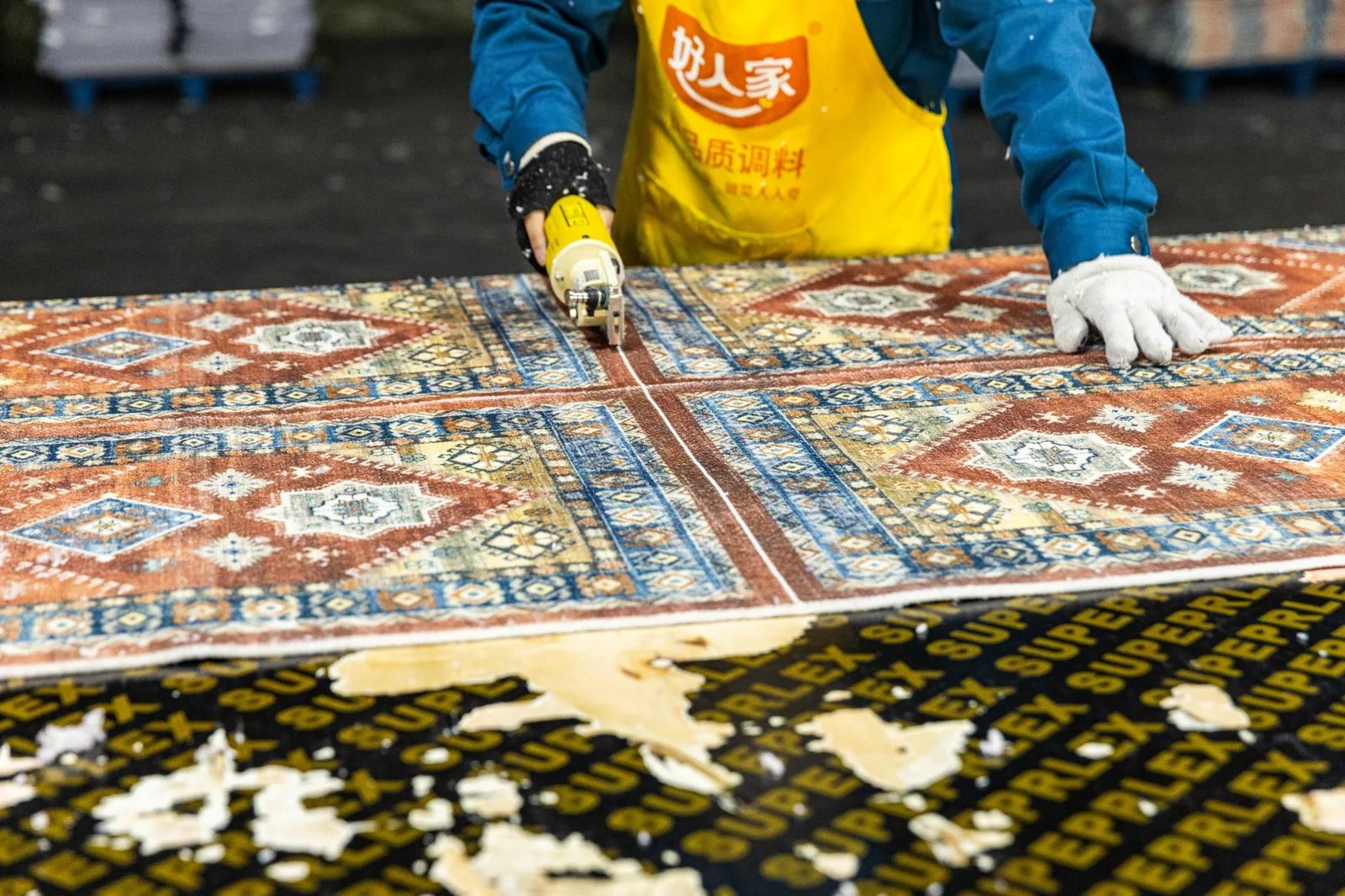
Review the artwork dimensions, orientation, pattern repeat, borders and file version. Check that everyone is discussing the same revision. A screenshot can help a conversation but should not replace the agreed production file and its specifications.
Digital colors are affected by display and viewing conditions. Agree how color will be evaluated on the physical material and what reference will govern approval. Avoid a statement such as “match the photo exactly” without a practical review method.
For border designs or a range with several sizes, ask how the artwork scales. The same file resized proportionally may change border width or motif size. Approve the intended treatment for each required size rather than assuming one visual preview answers every format.
Review a physical sample against the complete brief
Identify the sample, specification and artwork revision together. Compare appearance, dimensions, backing, edge finish and labels. Where the sample is smaller than the final rug, record which decisions it can support and which still need a full-size review.
Care review should use the proposed instructions and an appropriate sample record. ISO 6330 provides reference washing and drying procedures for textile testing; using that reference in planning does not establish that an internal sample review follows the standard. Arrange a relevant laboratory procedure when needed. [2]
| Decyzja | Approval evidence | If it remains unresolved |
|---|---|---|
| Design and color | Identified physical reference and artwork revision | Revise or clarify the reference |
| Size and shape | Measured finished sample and agreed limits | Confirm a suitable sample or measurement basis |
| Budownictwo | Face, reverse and edge descriptions | Resolve the construction before approval |
| Care or required performance | Instructions and applicable review/report | Complete the required assessment |
| Packaging | Approved label and packed sample where needed | Keep packaging release separate from rug approval |
Return a consolidated review rather than several conflicting comments from different reviewers. Identify each change, its priority and the expected next action. A sample with unresolved essential requirements should not be described as fully approved.
Freeze the specification and control changes
After approval, assemble a release record: product reference, artwork file, material and construction description, dimensions, backing, edge, care instructions, packaging and agreed evidence. Include the approved sample ID and any explicit conditions. Date the record and use a revision number.
If the buyer changes the design or the supplier proposes a construction substitution, identify the affected approvals, price and schedule. Small changes can reach several documents: a revised size may affect artwork, packing and carton measurements. Update the connected records together.
Do not make a new reviewer infer the final instruction from a long chat history. One current release record should state what is authorized for the bulk order and what remains open. Retain earlier versions for traceability, but clearly identify the current one.
Connect production release to packing and receiving
Agree the product and packing checks that will be used before shipment. Identify which measurements, photographs and documents the buyer expects, and who confirms release. These checks should reflect the approved product and the practical order scope.
Plan receiving against the final size and quantity schedule. Record how cartons identify the item, whether sets are packed complete and how replacement items will be tracked. A custom rug is easier to reorder when the approved reference survives beyond the initial delivery.
Use the HEBE RUGS custom and OEM page to begin a product-specific feasibility discussion. If only branding or packaging needs to change, the Dywany pod marką własną: etykiety produktów, kody kreskowe i opakowania can help define that narrower scope.
A successful development handoff is a clear, reviewable instruction set. It lets the buyer, supplier and receiving team identify the same finished item without relying on assumptions about what “custom” includes.
Pytania kupujących
How long does custom rug development take?
Timing depends on the brief, construction, sample revisions, required assessments and order scope. Request milestones for the actual project; this guide does not supply a universal lead time.
Does approving a digital design approve the rug?
No. Digital artwork approval and physical product approval cover different decisions. Record color, material, dimensions, backing and edge approvals separately.
Can I change the backing after approving the sample?
Treat it as a specification change. Ask which sample reviews, care instructions, evidence, packing and quotation assumptions need to be revisited.
Źródła
Źródła techniczne przytoczone w niniejszym przewodniku zostały sprawdzone 21 października 2026 r.