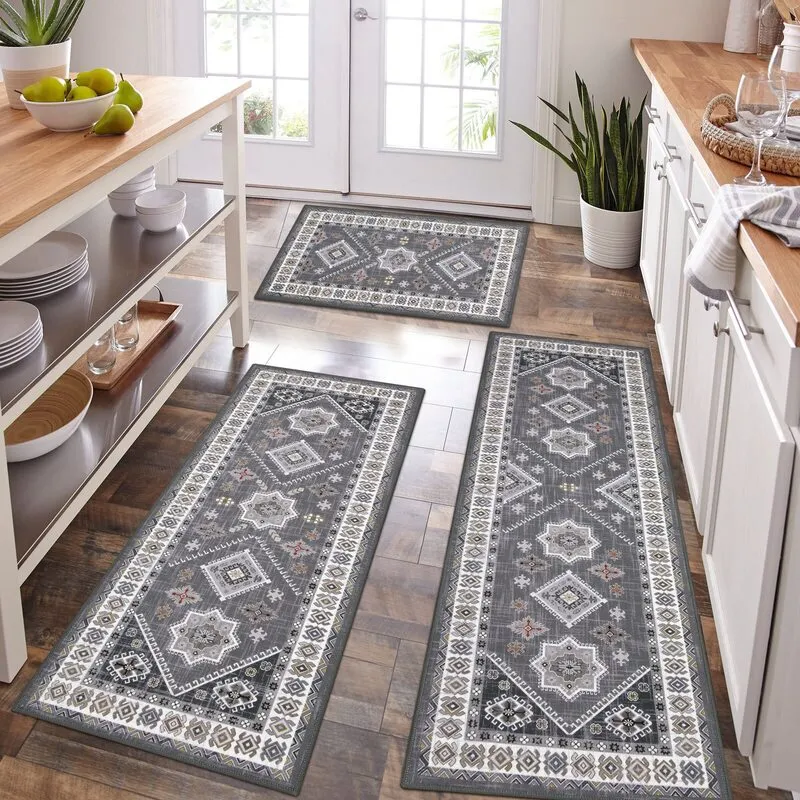
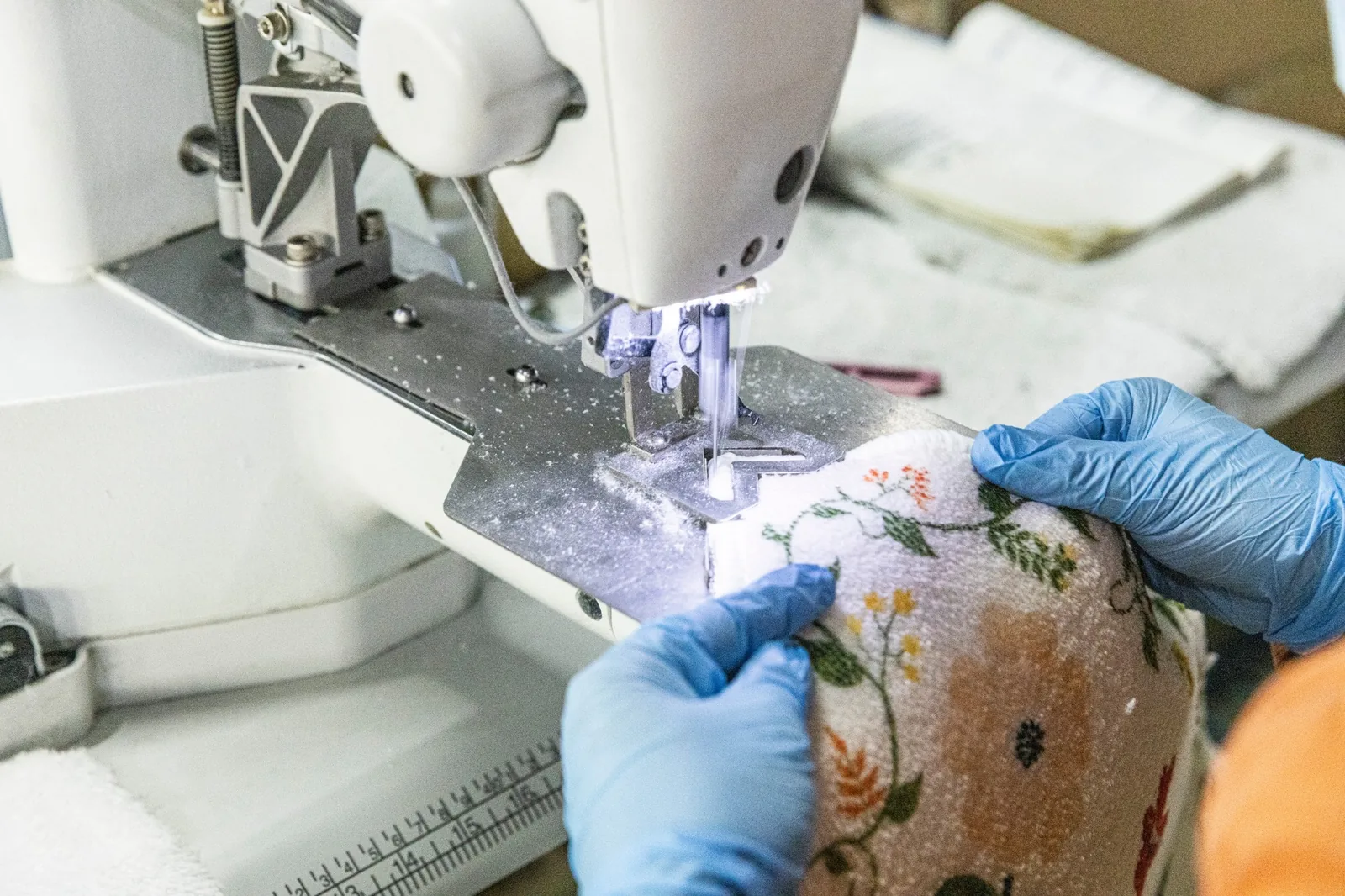
A polypropylene rug and a polyester rug can look close in a catalog. In a physical sample, the face, backing, thickness and edge can make them quite different buying propositions.
Use the fiber comparison to shortlist products, then choose between the finished rugs. The table below distinguishes the material reference from the product information you still need. It avoids turning a general fiber property into a promise about every rug made from it.
Understand what the two fiber names tell you
Polypropylene is often called olefin in carpet references. Polyester used for carpet commonly includes PET. Ask the supplier for the actual fiber composition of the selected face material and any separate backing description. Do not infer recycled content, outdoor suitability or a cleaning method from the generic polymer name.
The Carpet and Rug Institute’s technical primer describes polypropylene as moisture- and stain-resistant and identifies color clarity and resistance to water-soluble stains among polyester’s attributes. These are fiber-level reference points. The primer also emphasizes that fiber and yarn construction affect end-use performance. [1]
| Decision | Polypropylene / olefin | Polyester / PET | Buyer action |
|---|---|---|---|
| Product identity | A synthetic fiber name; not a full construction | A synthetic fiber name; not a recycled-content claim | Request composition and construction separately |
| CRI fiber reference | Moisture and stain resistance are listed olefin attributes | Color clarity and resistance to water-soluble stains are listed attributes | Use fiber traits to shortlist samples, then assess the finished rug |
| Appearance | Color and texture vary with yarn and construction | Color and texture vary with yarn and construction | View comparable physical samples in the intended light |
| Cleaning | Finished-rug instructions still control | Finished-rug instructions still control | Review the full face, backing and edge system |
| Use setting | Do not assume all versions are outdoor rugs | Do not assume all versions are indoor-only or washable | Ask for product-specific intended use and evidence |
| Commercial decision | Quote depends on the selected specification | Quote depends on the selected specification | Compare equivalent dimensions, packing and order scope |
Keep construction constant when comparing samples
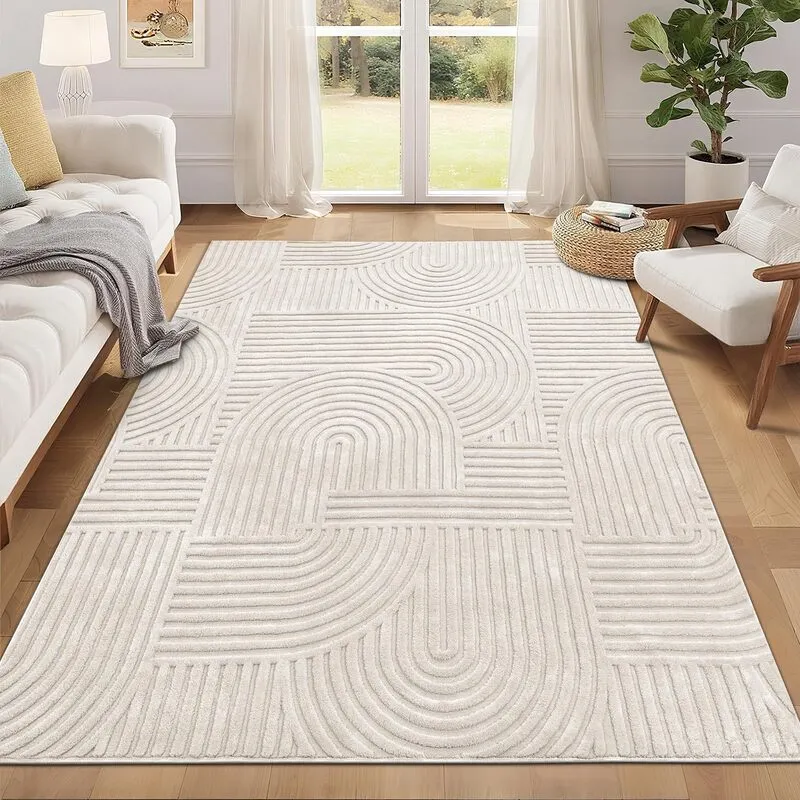
A thick textured rug and a thin printed rug differ in more than fiber. If you compare them without recording construction, you cannot tell which difference explains your preference. Ask for the surface method, finished dimensions, any pile-height information, total thickness and backing details that are relevant to your use.
Weight needs a definition too. Face weight, total product weight and shipping weight are not interchangeable. A heavier packed item may simply contain more backing or a larger carton. Avoid using one weight number as a shortcut for durability unless the supplier explains what it measures and why it matters for this construction.
Identify the exact sample on both sides of the comparison. Use sample codes and dated specification sheets, then photograph the front, reverse, edge and label. A comparison that says only “PP sample” and “PET sample” is difficult to repeat when a revised construction arrives.
Compare appearance in the intended selling or room setting
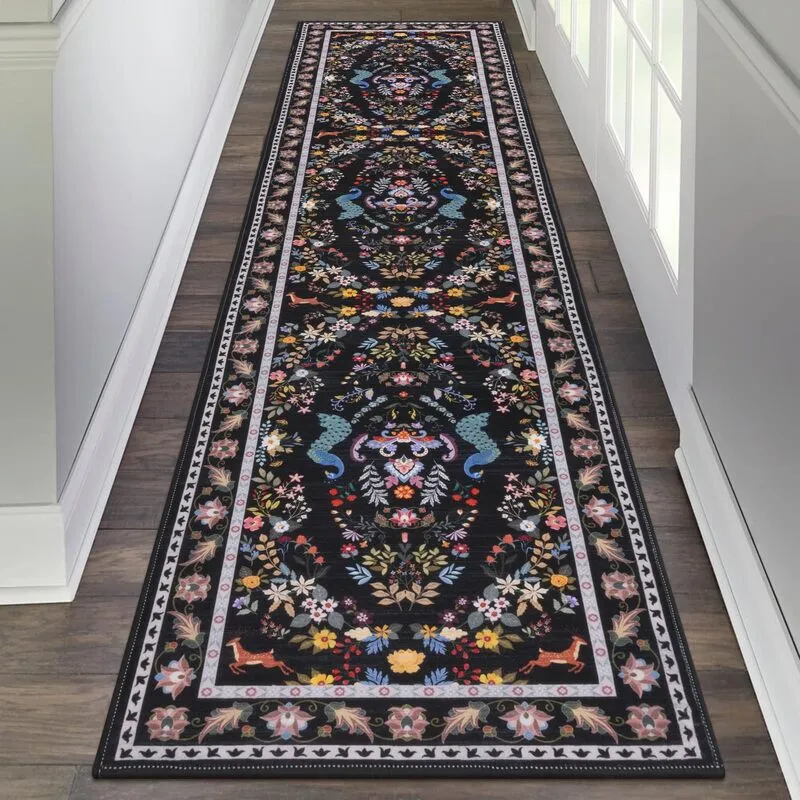
Review color under the light in which the rug will be selected and used. A showroom spotlight, a phone camera and a hotel bedside lamp can give different impressions. Place both samples next to the intended flooring or furniture finishes and record the viewing conditions.
Look at the pattern scale on a full-size piece when it matters to the room. A small swatch may show fiber and color but miss a large repeat, a border or the proportion of the design. For a retail listing, photograph the actual selected product and avoid implying that an illustration establishes its exact color.
Hand feel can be part of the buying decision, but describe the observation rather than turning it into a universal material claim. Record whether reviewers are judging softness, flexibility, surface texture or cushioning. Those are different qualities and may lead to different product choices.
Evaluate care as a finished-rug requirement
Ask how the whole rug should be cleaned and dried, including any restrictions for the backing and edges. “Moisture-resistant fiber” is not the same statement as “machine-washable finished rug.” A rug may use a water-resistant face while another component limits the appropriate care method.
If machine washing is part of your customer promise, request the exact care instructions and evidence for the selected size and construction. Check the equipment limits as well as the method. For projects, involve housekeeping early: a care process that cannot be carried out on site can change the buying decision.
| Review area | Record for each sample | Approval question |
|---|---|---|
| Color and pattern | Light source, room context and sample version | Does the appearance fit the intended range? |
| Dimensions and shape | Measured size, flatness and edge finish | Does it meet the agreed specification? |
| Care | Written method, restrictions and review results | Can the user follow the method in practice? |
| Floor interaction | Floor type, approved pad or backing arrangement | Has compatibility been addressed? |
| Evidence | Product reference and applicable report scope | Does the evidence match this finished construction? |
For a repeatable internal washing review, use the sample-review section of the wholesale rug buying guide. An internal review should be described as such; it does not become a certification simply because the observations are organized in a table.
Choose against the buying brief, then compare cost
Set the non-negotiable requirements first: size, intended use, acceptable appearance, maintenance process and any project documentation. A sample that fails one of those requirements should not win through a high average score in unrelated categories.
Among acceptable samples, compare cost at the same quantity, packaging and receiving point. Review stock depth and replacement planning alongside opening price. If a preferred texture requires different care or packing, make that operational difference visible in the final decision.
For an outdoor proposal, ask about the finished rug’s exposure conditions and evidence, including the backing and intended care. For a hotel, ask about the exact space and relevant project requirements. Neither “polypropylene” nor “polyester” alone is a promise that a product is suitable for either setting.
Write a conclusion someone else can verify
A useful approval note might say: “Sample B is selected for this living-room range because its approved pattern scale, texture and care instructions fit the brief; use specification revision 3.” It should not say “polyester is always better” or “polypropylene never stains.”
Retain the comparison, selected sample and unresolved conditions together. If the supplier later changes the face yarn, backing or finish, review the effect on the approved decision. For a complete ordering workflow, continue with the Buying Wholesale Rugs: Compare Specifications, Samples and Quotes.
أسئلة المشتري
Which is better for a wholesale rug order: polypropylene or polyester?
Choose the specific rug that meets the intended use, appearance, care and documentation requirements. Fiber alone cannot rank complete rugs with different constructions.
Are polyester rugs always made from recycled bottles?
No. PET identifies a polymer, not the origin of its feedstock. Request evidence for any recycled-content statement attached to the selected product.
Does polypropylene mean the rug can be used outdoors?
No. Outdoor use needs a product-specific assessment of the finished construction, intended exposure and care. Do not infer it from face fiber alone.
المصادر
تم التحقق من المراجع الفنية المذكورة في هذا الدليل في 21 أكتوبر 2026.