CUSTOM RUGS / PRIVATE LABEL / OEM
Custom rugs &
private label.
Your direction, developed.
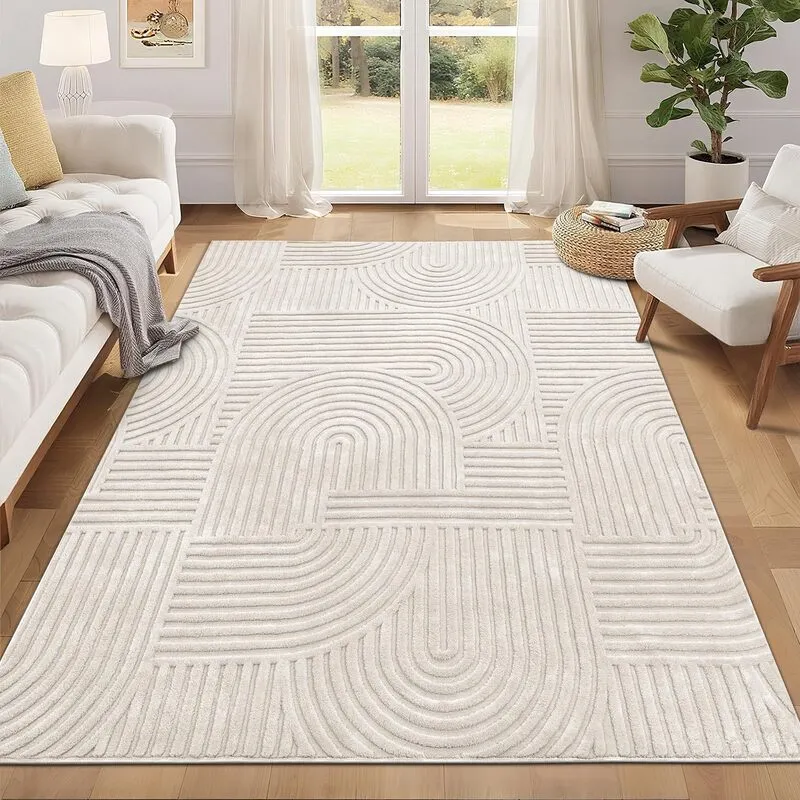
Create a rug range around the customers, rooms and brand you have in mind. Start with an existing HEBE RUGS design or share your references, then work through the product and presentation details that make the idea specific.
HEBE RUGS · Wholesale collections and custom possibilities
FIND YOUR STARTING POINT
Different ideas.
Different development paths.
Not every custom inquiry begins with a blank page. Identify how much of the product is already defined and what you want to change.
01 / AN EXISTING DESIGN
Adapt a collection design
Begin with a current HEBE RUGS product and specify the changes you want to discuss. A different dimension, palette or finishing requirement can affect the construction, pattern placement and packing, so keep the existing reference alongside the requested changes.
02 / YOUR BRAND
Build an own-brand range
Bring your assortment direction together with the product requirements. Discuss the size mix, color relationships, labels, care information and package presentation as one range. The saleable unit and the information on the package should describe the same product.
03 / A NEW BRIEF
Develop a project direction
Start with a palette, artwork, mood board or an interior plan. Explain the use of the rug, the dimensions and the quantities. The selected construction and sample review help determine how the direction can be translated into an agreed product.
Available changes, minimum quantities, development costs and timing depend on the chosen construction and requirements. The aim of the initial review is to identify an achievable product specification and the sample arrangements needed to evaluate it.
SIX PARTS OF THE SPECIFICATION
Make the details
your own.
Consider the product as a whole. A change in one part can affect how the rug is made, presented or packed.
DESIGN & COLOR
Set the visual direction.
Share a pattern reference, artwork or palette, and explain which features matter most. Identify the scale of the design, the position of any border and the color relationships you want to retain. Physical samples provide a more useful color reference than screen images alone.
SIZE & FORMAT
Define the placement.
List dimensions, shapes and the quantity for each size. If the rug belongs under furniture, in a narrow route or within a coordinated set, include that context. Construction and finishing determine which dimensions or shapes can be reviewed for the selected product.
MATERIAL & SURFACE
Describe the feel and use.
Tell us the material preferences, surface or pile direction and care expectations behind the idea. Compare those preferences with the selected construction and sample. The final specification should describe the actual product rather than use a broad material label for an entire range.
BACKING & EDGES
Complete the structure.
Include the intended floor surface and the backing or edge details you need to discuss. The sample should show the selected backing, stitching or binding, corners and finished edge. Any required performance documentation needs to relate to that construction.
PRIVATE LABEL
Bring the identity together.
Provide your logo files, proposed label wording and required product information. Identify where the branding should appear and what the selected market needs the label to say. Review the agreed artwork or physical label before treating the identity details as final.
PACKAGING & ASSORTMENTS
Plan the saleable unit.
State whether the product is sold as one piece or a coordinated set. Include the pieces, size mix, barcode requirements, unit package and carton-marking preferences. Packaging feasibility and quantities are reviewed with the chosen products and order brief.
DESIGN REFERENCES
Find the thread
that connects your range.
Use existing HEBE RUGS designs to explain the direction, then identify the details you want to discuss. The images below are current collection references, not completed custom commissions.
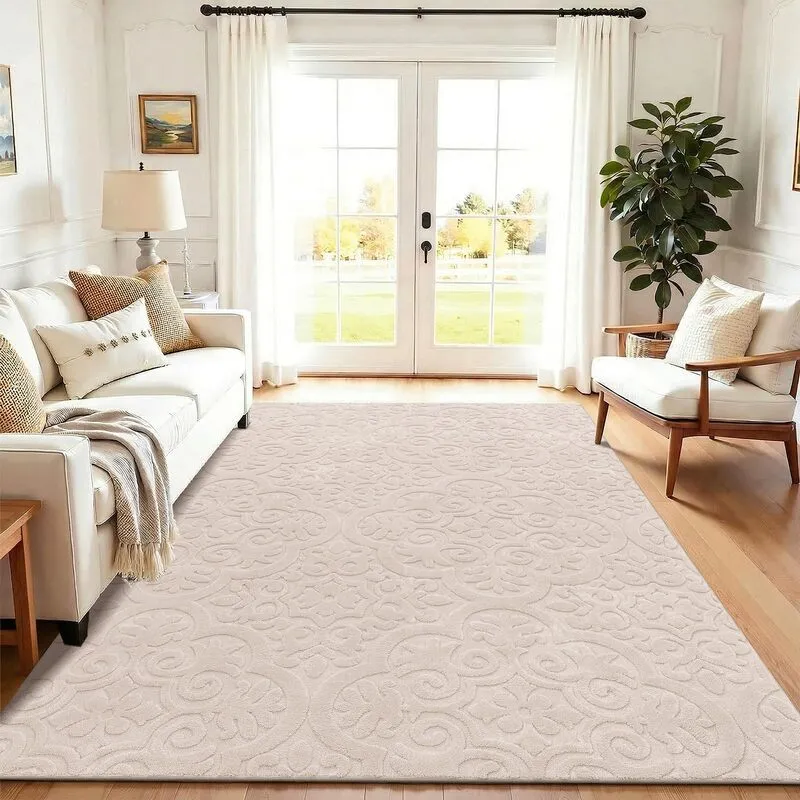
Floral expression
Use the border, floral scale and palette to explain the visual elements you want to keep or change.
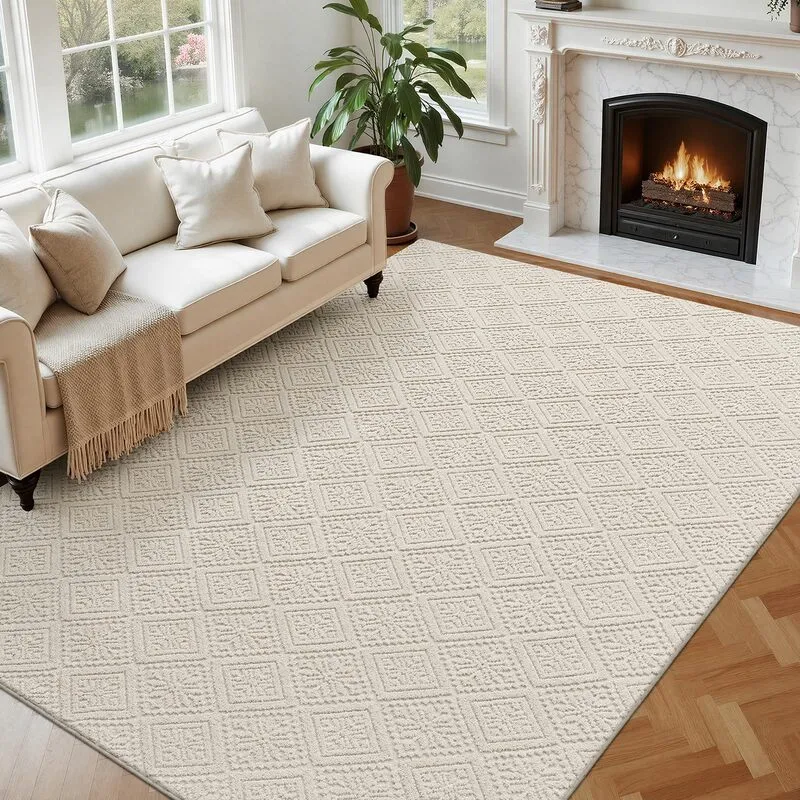
Pattern & proportion
Discuss the repeat, motif placement and the relationship between the design and each requested size.
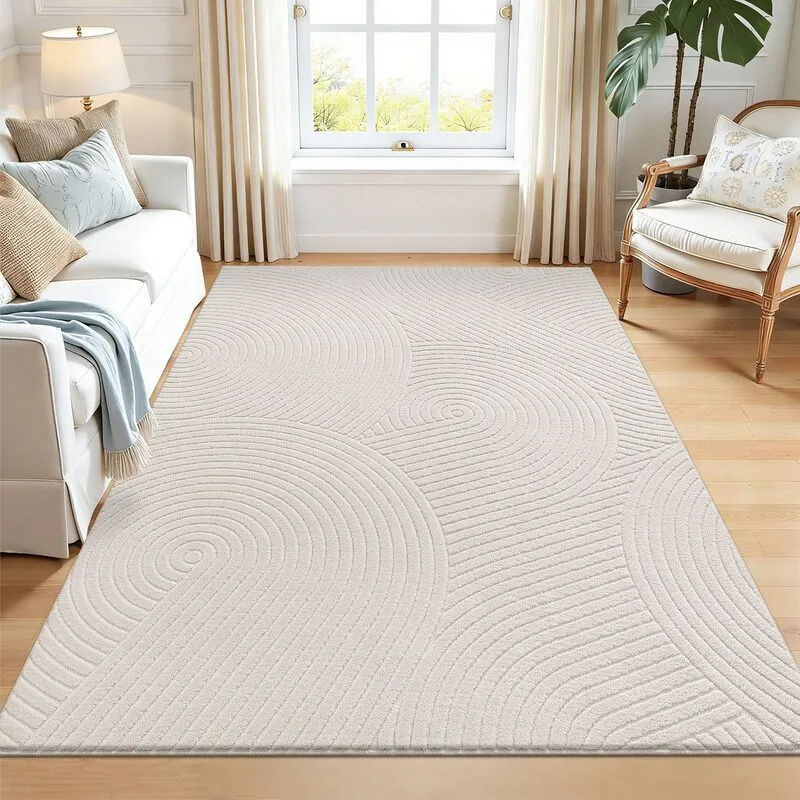
Lines & surface
Start from the rhythm of the pattern and describe the surface or finishing requirements behind your idea.
THE CUSTOM BRIEF
Give the idea
a useful specification.
You do not need every answer before contacting us. A clear brief shows what has been decided and which details still need discussion.
| Part of the brief | Information to prepare | A useful reference |
|---|---|---|
| Purpose | Sales channel or intended space, customer and use | Retail plan, room schedule or project description |
| Visual direction | Artwork, pattern features, palette and design priorities | Reference image, existing HEBE RUGS product or physical sample |
| Afmetingen | Size and shape for every variant or included piece | Measured layout or dimension list with units |
| Bouw | Material, surface, backing, edges and care preferences | Selected product specification and sample notes |
| Quantities | Quantity by design, color, size and saleable unit | SKU worksheet stating pieces or complete sets |
| Brand presentation | Logo, labels, care information and package direction | Artwork files and required label wording |
| Market requirements | Destination, required documents and specific standards | Buyer or project requirements supplied for review |
| Timing | Target arrival date and any fixed approval milestones | Project schedule and delivery destination |
Send artwork or supporting files by email to info@heberugwholesale.com with your company name and a short project reference. Keep file versions identifiable so the product reference, sample comments and final artwork can be matched during the discussion.
A CHANGE IN DIMENSION
Size can change
more than the outline.
A pattern may need a different arrangement when a rug moves from one proportion to another. A border can occupy a different share of the surface; a repeated motif may need a new placement; a line direction can change the way the rug reads in the room. Explain which relationships matter instead of sending only a new width and length.
For several sizes within one collection, identify the design features that should remain consistent. Compare the way the border, central motif and edges appear in each format. If a coordinated set contains different shapes, record the visual relationship and the dimensions of every included piece.
The chosen construction also affects how a size request is reviewed and finished. Keep standard-size selections separate from custom dimensions, and discuss packing expectations alongside the physical format. The approved sample or specification should record the dimensions and design version agreed for the order.

A real production detail from HEBE RUGS. The finish of your chosen product is reviewed on its sample.
LOOK BEYOND THE FACE
Surface. Backing.
The finished edge.
Look at the sample from more than one side. Compare its color and surface under suitable light, inspect the reverse, and review the edges and corners. Those details should be considered together with the intended floor and the way the product will be maintained.
Photographs help record the discussion, while the physical sample and agreed written specification identify the product being approved. If a particular test or supporting document is required, describe the standard and intended use before the order is confirmed.
THE SAMPLE APPROVAL
Turn preferences
into recorded decisions.
Use a sample review to resolve the details that photographs and written references cannot fully communicate. Keep the approval connected to the product and artwork versions.
| Review item | Wat moet je opnemen? |
|---|---|
| Reference & version | Record the sample name, artwork version and date so later comments refer to the same item. |
| Color & appearance | Review the palette, pattern scale, direction and any border placement in the intended setting. |
| Dimensions & set contents | Check the dimensions of each selected size and each piece included in a set. Agree any relevant tolerances in writing. |
| Surface & construction | Review the feel, material description, backing, stitching, binding and corners of the selected construction. |
| Care & project requirements | Match the stated instructions to the intended use and raise any documents or tests that need confirmation. |
| Label & package | Check approved wording, branding position, barcode requirements, set identification and package information. |
Identify requested changes as a clear list rather than sending comments on several differently labeled files. Where a revision changes more than one feature, note the priority and review how the changes relate. Sample development, costs, shipping, revision arrangements and timing are confirmed before work is agreed.
FROM SAMPLE TO BULK ORDER
The approved detail
belongs in the order.
Once the selection has been reviewed, bring the decisions into one product and commercial record.
01 / WHAT IS BEING MADE
The product record
Identify the approved reference, design and color, dimensions, construction, backing, edge finish and care information. Add the agreed sample or artwork version and any specific approval notes.
02 / WHAT IS BEING ORDERED
The assortment record
List quantities by design, color and size. State pieces or complete sets, every included piece and the relevant packaging version. A complete list reduces uncertainty between the visual brief and the buying quantity.
03 / HOW IT IS BEING PLANNED
The delivery record
Record the destination, requested packing references, commercial terms and the agreed production and shipping arrangements. Distinguish the target arrival from the production stage when planning dates.
If the brief changes after a sample or quotation has been reviewed, bring the change back into the product discussion before treating it as approved. A different material, dimension or package can affect feasibility, quantities, costs and timing.
HOW THE CONVERSATION PROGRESSES
Bring the idea
into focus.
01 / BRIEF
Share the direction.
Send your references, intended use, dimensions, quantity mix and destination. Identify the details you already know and the decisions you want help reviewing.
02 / SPECIFICATION
Choose the details.
Discuss the selected construction, design requirements, backing, edges, label content and packaging. Confirm which options can be reviewed for the proposed product.
03 / SAMPLE
Review the real product.
Agree the sample scope, costs and timing. Compare appearance and construction, then record any changes and the approved version.
04 / ORDER
Confirm the complete brief.
Bring the final design, product specifications, quantity structure, packaging and commercial terms together. Confirm the applicable minimum and production arrangements.
05 / DELIVERY
Plan the destination.
Review shipping, required documents and the target schedule for the agreed order. Provide the receiving and identification requirements relevant to your business or project.
CUSTOM QUESTIONS
Before your idea
becomes a collection.
HEBE RUGS can discuss design and color direction, dimensions, materials and surface requirements, backing, edge finishing, private labels and packaging. Availability depends on the selected construction and is confirmed through the development and sample discussion.
Yes. Send the existing HEBE RUGS product link and list the changes you want to discuss. Keep the original reference visible alongside the requested dimensions, colors or finishing so the development review has a clear starting point.
Share your logo files, proposed label wording, branding position and package requirements. HEBE RUGS reviews feasibility with the selected product and order. The agreed artwork, wording or physical label should be approved before bulk presentation details are finalized.
The applicable minimum depends on the product construction and the requested designs, colors, dimensions, materials and packaging. Provide estimated quantities for each variant and state pieces or complete sets. The quotation confirms the minimum for your requirements.
Sample development and review form part of the custom-order discussion. Availability, sample scope, cost, transport, revisions and timing are confirmed before arrangements are made. Keep the approved sample reference with the final written product specification.
List each size and its quantity, then describe how the pattern, border or motif should relate across the range. A change in proportion can affect the visual arrangement, finishing and packing. Review the relevant details for each requested format.
Prepare product or design references, the size and color mix, quantities, logo artwork, proposed label content and packaging direction. Include the destination and any market requirements. A simple SKU worksheet can keep the product and presentation details connected.
Timing depends on the readiness of the artwork, material selection, sample arrangements and revisions, order quantity and transport. Share the target arrival date and destination so a suitable sequence can be reviewed. A product-specific schedule is confirmed with the order.
Send the exact standards, reports or supporting documents your buyer or project requires, together with the selected product and intended use. Feasibility and any testing arrangements must be confirmed before they are treated as part of the agreed order.
Yes. HEBE RUGS handles wholesale and project inquiries worldwide. Include your delivery country, required quantities and target date so product, documentation and shipping requirements can be reviewed for the destination.
HEBE RUGS · YOUR NEXT COLLECTION
Make the idea
distinctly yours.
Share an existing product, a design reference or a room plan. Add the dimensions and quantities you have in mind.
Product references · Dimensions · Quantities · Destination