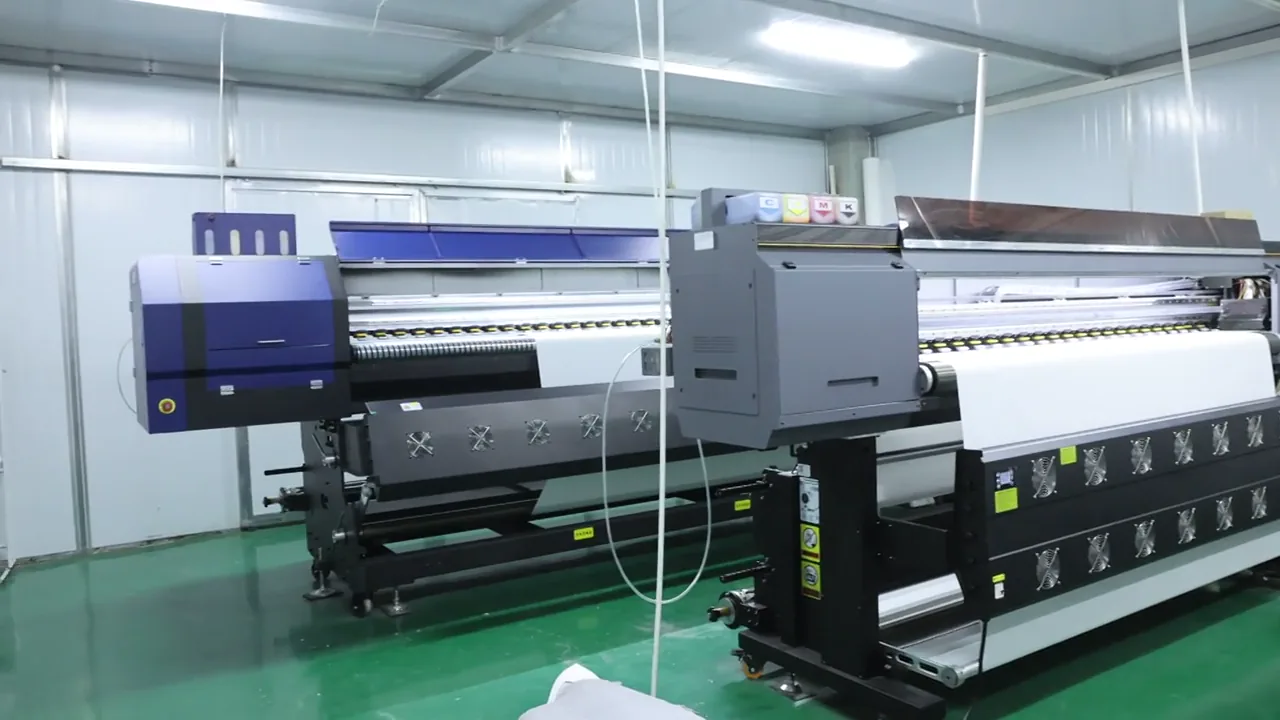
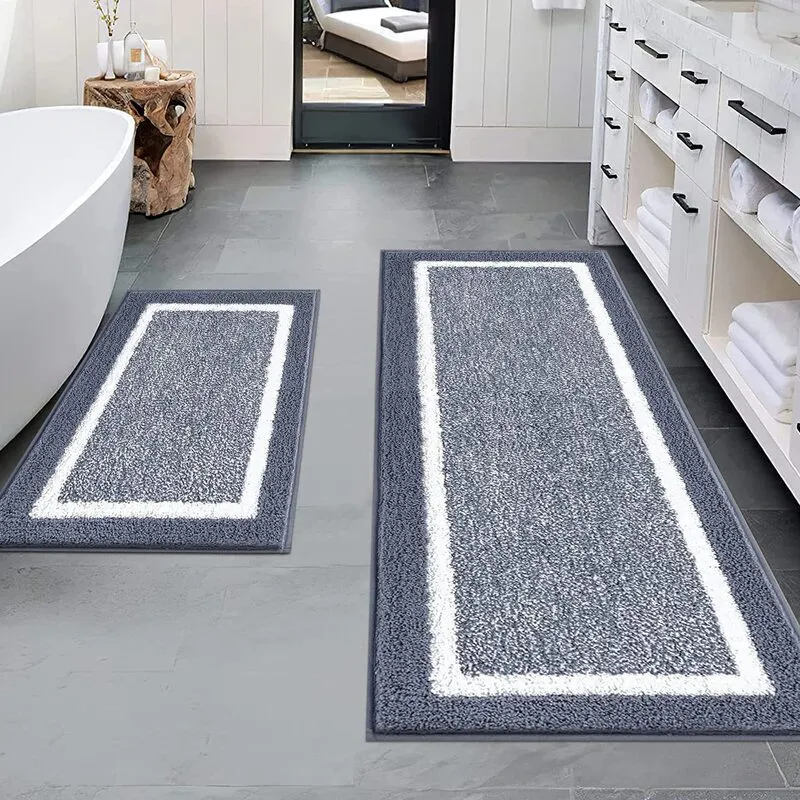
A custom quote can have a lower unit price and still require more cash for the opening order. Samples, setup, packaging and the quantity you must buy can change the comparison.
Choose the route that meets the brief, then compare its complete listed scope. The worked example below separates opening charges from product price. Availability, development steps and replacement arrangements need their own review alongside the arithmetic.
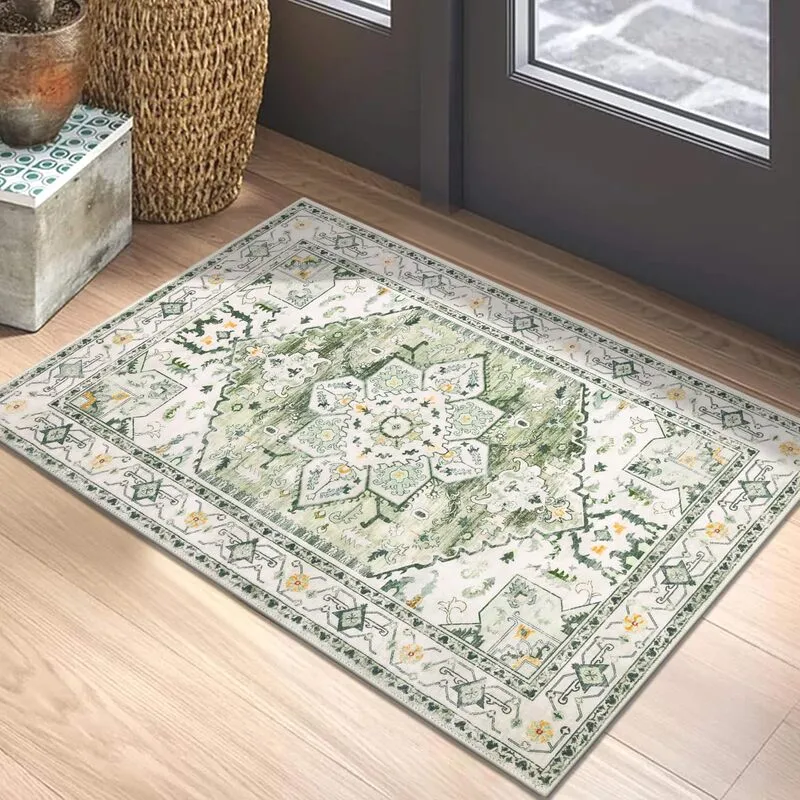
Identify the requirement that drives the decision
List the non-negotiable needs: finished dimensions, construction, appearance, backing, care, packaging and required evidence. Compare proposed products against those needs before discussing optional changes. If an available item already fits, custom work needs a clear reason.
For a project, the trigger may be a measured footprint that the offered sizes do not cover. For a retailer, it may be a distinct design or private label presentation. Keep the reason specific enough to review; “more premium” does not tell a supplier what must change.
| Route | What may remain standard | What needs confirmation |
|---|---|---|
| Available stock item | An identified, currently available product | Actual quantity, specification and dispatch proposal |
| Catalog design made to order | An existing design or construction | Production availability, minimums and schedule |
| Custom or modified product | Only the agreed unchanged attributes | Feasibility, development, sample and release scope |
Use the same destination and care brief for each route. A stock option that needs a different maintenance process is not equivalent simply because the face color is similar. Likewise, a custom feature that does not serve the brief may add work without creating a useful difference.
Compare the whole listed cost on one basis
Ask for the unit price, proposed quantity, sample or development charges, packaging setup and the agreed freight scope. Identify which charges are one-time assumptions and which recur. Record exclusions rather than treating an incomplete subtotal as landed cost.
Invented example: two routes quote 200 rugs with the same assumed receiving scope. Route A has an $18 unit price. Route B has a $17 unit price plus assumed sample and setup charges. The table illustrates arithmetic only; none of the numbers are HEBE RUGS prices, real freight quotations or market averages.
| Listed item | Route A: stock example | Route B: custom example |
|---|---|---|
| Product quantity | 200 ковров | 200 ковров |
| Цена за единицу продукции | $18.00 | $17.00 |
| Промежуточная сумма товаров | $3,600 | $3,400 |
| Sample charge included in this example | $0 | $300 |
| Development/setup included in this example | $0 | $400 |
| Assumed freight charge | $500 | $500 |
| Listed opening-order subtotal | $4,100 | $4,600 |
| Промежуточная сумма за каждый коврик | $20.50 | $23.00 |
Route B has a lower product price but a $500 higher listed opening subtotal. Duties, taxes, brokerage, insurance and unlisted fees are excluded, so this is not a complete landed-cost comparison. For a real order, compare all applicable costs to the same receiving point.
Do not assume a later reorder will eliminate every initial charge, or that a higher quantity preserves the same unit prices. Ask what repeats, what changes and which minimums apply. A simple unit-price break-even calculation is only useful after those assumptions are confirmed.
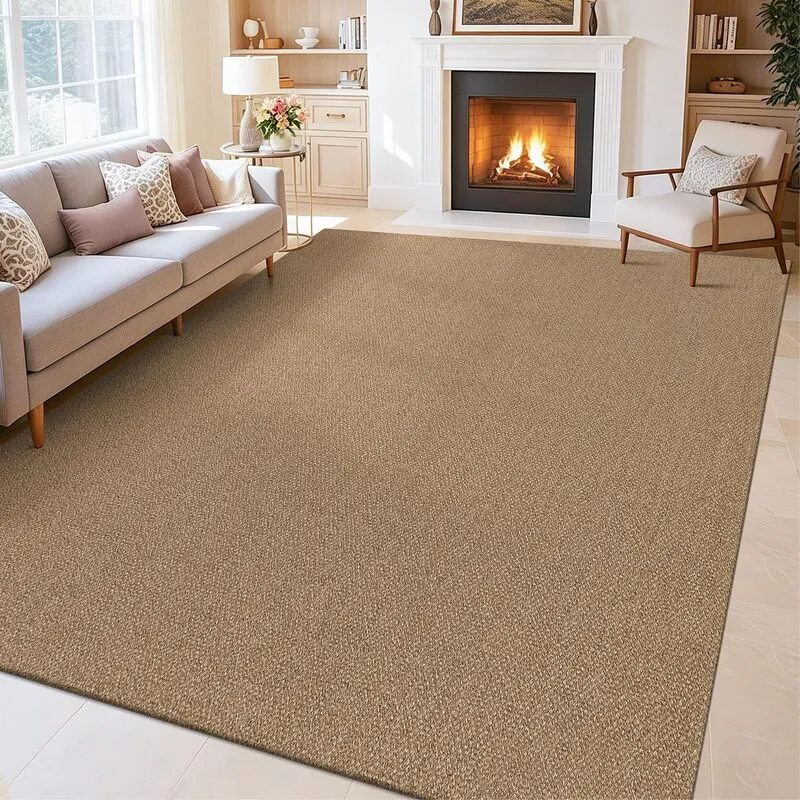
Compare milestones instead of promising standard lead times
A confirmed available item may need fewer development approvals, but inventory, packing and dispatch still need confirmation. A custom project can require feasibility review, artwork, physical samples, any required tests and final specification approval before production release.
Ask each supplier for a proposed milestone plan against the same desired receiving date. Identify buyer decisions that the schedule depends on. If artwork or sample approval is late, the plan may need revision; a quoted transit estimate cannot absorb every development delay.
| Milestone | Stock or catalog route | Custom route |
|---|---|---|
| Product confirmation | Exact item and quantity availability | Feasibility and complete scope |
| Sample approval | Match to proposed order item | Design and construction revisions |
| Доказательства | Applicable documentation for the selected item | Assessments for the approved construction |
| Packing release | Confirmed pack and carton information | Artwork, proof and packed-sample approval |
| Delivery proposal | Confirmed readiness and route assumptions | Readiness after the agreed approval sequence |
Where Incoterms® rules are used, include the named place and edition. ICC’s rules help define delivery responsibilities and relevant cost and risk allocation; they do not guarantee a production completion date. [1]
Evaluate fit and flexibility separately from cost
For every acceptable option, compare what the buyer can change and what must remain fixed. A stock item may meet the brief with no change, while a modified item may require new quantities or evidence. Record the limits rather than assuming customization is unlimited.
Use a physical sample to review the qualities a quotation cannot show well: texture, scale, edges, reverse construction and the full-size room relationship. A digital design preview is not a substitute for that review. For a defined development scope, use the Разработка ковров на заказ: дизайн, образцы и утверждение производства.
If the main difference is brand presentation, ask whether private label packaging can meet the need without changing the rug. If a required size or backing is the issue, resolve that construction question first. This avoids using a branding solution to address a product-fit problem.
Review replacement and repeat-order arrangements
Ask how the selected item will be identified later and whether changes in construction or availability will be communicated. Preserve the approved specification and sample reference for both routes. A product name alone is a weak reorder instruction.
For projects, decide how replacements will be handled if the original item is unavailable. For retail, compare accepted reorder quantities with the expected range depth. Do not assume indefinite stock continuity or identical future batches unless there is a written basis.
Include packaging and artwork in this review. An existing stock rug with a private label sleeve can still require a separate printed-component reorder. A custom rug with leftover packaging can still need updated data if the care method or item identity changes.
Choose the route with a documented reason
Write the decision as a brief conclusion: which option meets the requirements, which approvals support it, what the compared cost includes and which conditions remain. That record is more useful than a general belief that stock is always safer or custom is always more distinctive.
If both options meet the brief, compare the remaining commercial and operational differences openly. If neither does, revise the brief or request another proposal. Ordering a familiar stock item or investing in customization is worthwhile only when the selected product and scope solve the actual buying problem.
For the complete specification and quote worksheet, return to the Покупка ковров оптом: сравните технические характеристики, образцы и ценовые предложения. Keep the final route decision with the approved item record so the next buyer can understand why it was made.
Вопросы покупателей
Are stock rugs always faster than custom rugs?
No. Confirm actual inventory or production availability, packing readiness and the proposed delivery route. A catalog listing does not establish an immediate dispatch date.
Are custom rugs always more expensive?
No universal rule applies. Compare the selected specification, quantity, sample and setup charges, packaging and the same delivery scope.
When is private label enough instead of a custom rug?
When the approved product already meets the requirements and the needed change is branding or packaging. Confirm feasibility and the separate packaging scope before ordering.
Источники
Технические источники, на которые ссылаются в данном руководстве, были проверены 21 октября 2026 года.