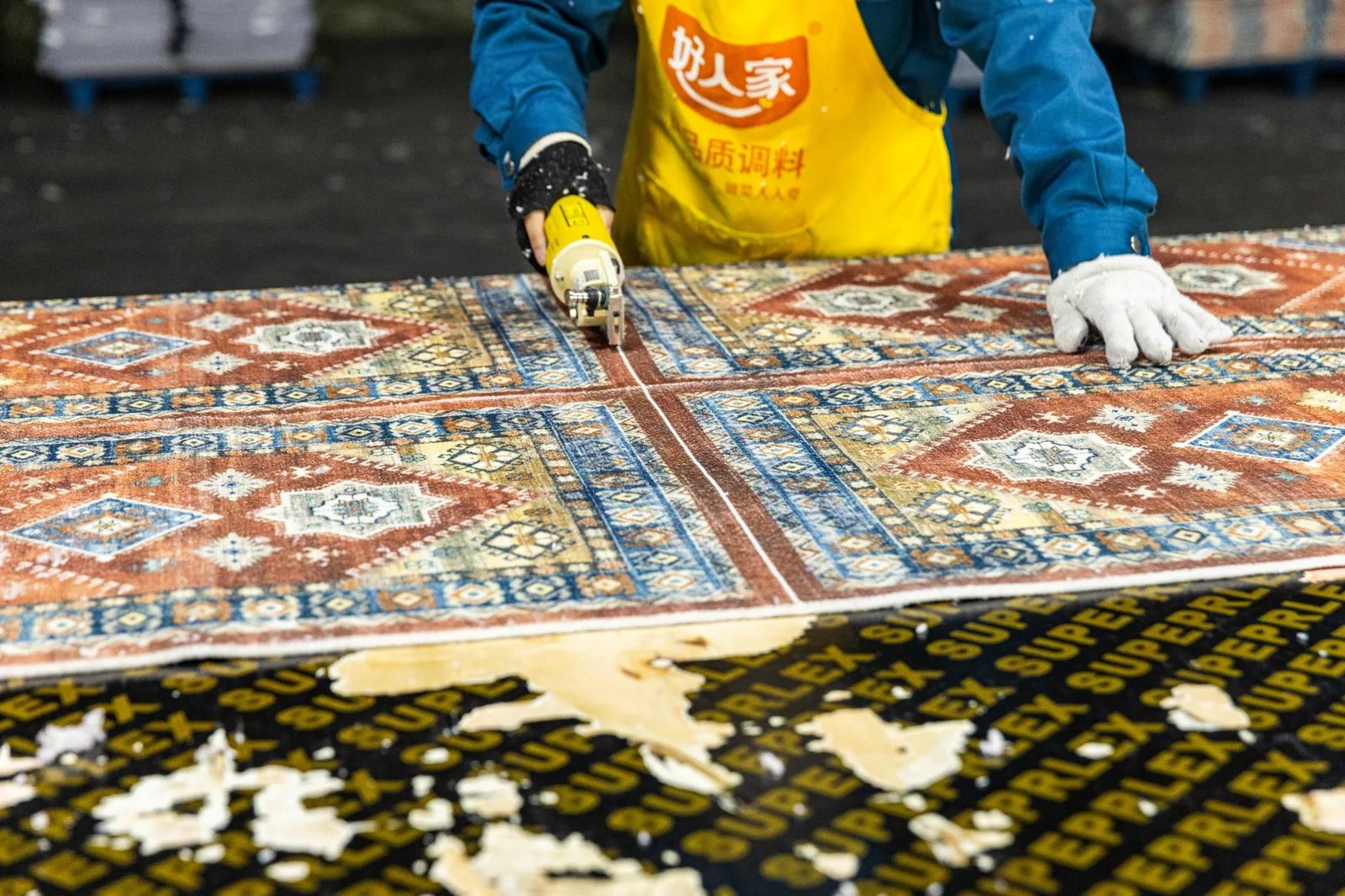
A proposed order of 300 units can mean 300 rugs, 300 complete sets or a mix of variants that has not yet been accepted. Before negotiating a minimum, resolve what a unit means and which products can share it.
This guide separates order, design, color, size and packaging minimums. The calculations use invented quantities to make the counting method clear; the minimum for an actual HEBE RUGS order needs confirmation against the product list.
Define the unit before discussing the minimum
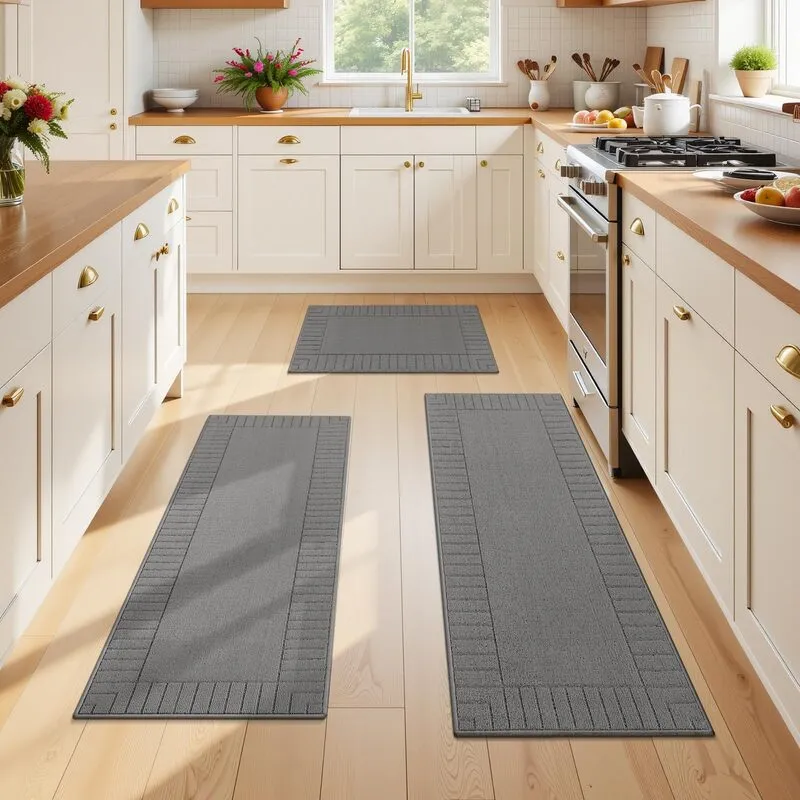
Start with the unit that your warehouse and customer will recognize. One rug may be one piece, while a coordinated three-piece kitchen set is one sellable set containing three pieces. An order expressed as “300 units” leaves room for a costly misunderstanding unless both parties use the same definition.
Next separate the order-level threshold from any production or packing constraint. A supplier may allow several sizes within one design, or may need each size to meet its own threshold. Do not assume that similar colors can share a minimum, or that a custom label follows the same minimum as the rug itself.
| Minimum scope | What it controls | Question to resolve |
|---|---|---|
| Whole order | Combined commercial order | Can approved products be combined to reach this quantity? |
| Design or style | One pattern or construction | Can colors and sizes be mixed within the style? |
| Color | One approved colorway | Does each color have a separate minimum? |
| Size or set configuration | One finished format or defined bundle | Is the minimum in individual pieces or complete sets? |
| Packaging component | Printed tag, sleeve, bag or carton | Is a separate print run or unused-packaging balance involved? |
Calculate the assortment before choosing designs
Count every design, color and size combination that will become a separate order line. If all combinations are offered, the variant count is designs × colors × sizes. A range does not have to include the full combination: list only the variants you actually want to buy.
Illustrative example: two designs, three colors per design and two sizes per color create 12 variants. At an assumed 30 pieces per variant, the order is 360 pieces. That does not mean a supplier offering a 300-piece order minimum will accept all 12 variants at 25 pieces each. The variant rule still needs confirmation.
| Plan | Variant count | Pieces per variant | Total pieces |
|---|---|---|---|
| Full combination: 2 designs × 3 colors × 2 sizes | 12 | 30 | 360 |
| Narrower color choice: 2 × 2 × 2 | 8 | 30 | 240 |
| One design, three colors, two sizes | 6 | 30 | 180 |
These calculations compare inventory exposure, not supplier acceptance. A narrower range may be easier to evaluate, but its total could fall short of an order-level requirement. Ask for a written response against the actual order lines instead of trying to infer approval from one minimum number.
Keep pieces, sets and cartons in separate columns
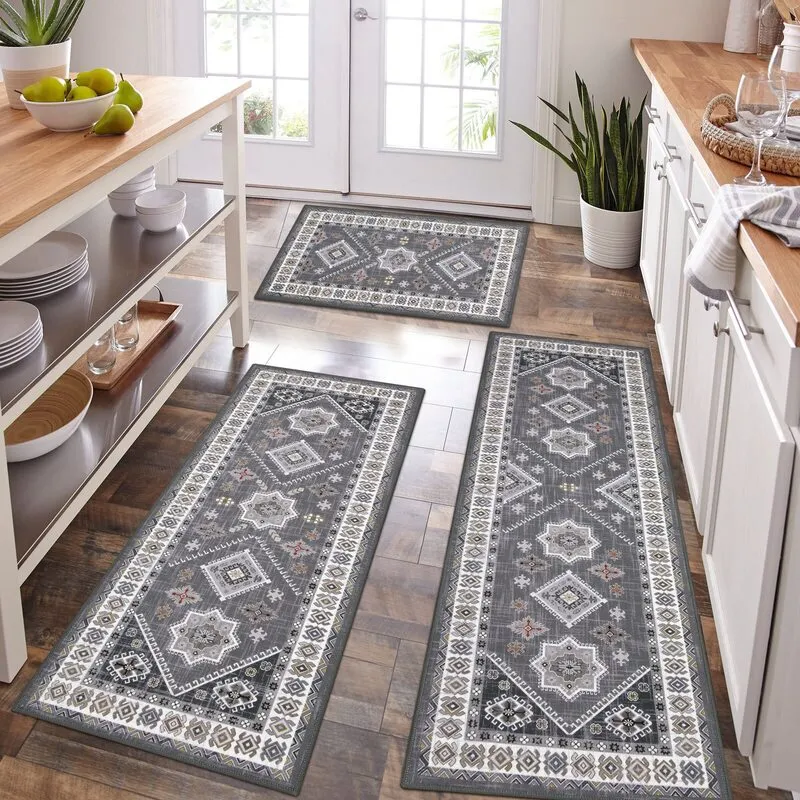
For a set, record both the sellable set count and the component count. An example order of 120 three-piece sets contains 360 pieces. If six complete sets fit in each carton, it uses 20 cartons. Those are three valid numbers describing different things; none should replace the others on a purchase order.
Preserve a consistent item identity through the quote, sample record and packing list. GS1 treats a fixed assortment sold together as a defined trade item, and its rules address component changes. That is a useful reason to review the identification of a changed set, rather than silently treating it as the old item. [1]
Review inventory exposure as well as the order total
A minimum that looks affordable in total can tie up stock in the wrong size. Estimate the opening quantity by the demand you expect for each variant, then compare it with the proposed minimum. Flag lines where the minimum is much larger than your trial quantity. The answer may be fewer designs, fewer colors, a different format or a staged plan the supplier agrees to support.
Do not assume all variants will sell at the same rate. Give a new color a deliberate role in the range and decide how you will evaluate it after launch. For a hotel, map quantities to room types and approved replacement stock rather than a retail sales forecast. Keep any spare allowance visible instead of hiding it inside each line.
An honest first-order comparison also includes samples, packaging setup, freight and the cost of holding stock. A lower unit price can be offset by a much larger quantity. Compare the amount committed and the operational fit before choosing between two minimum structures.
Send a quantity schedule that can receive a clear answer
Use one row per variant and include a reference image or product link. State the destination, intended use, desired receiving date and whether the order is stock, modified or fully custom. Mark quantities as a proposal until the supplier accepts them.
| Campo | Example of a clear entry | Why it matters |
|---|---|---|
| Item identity | Design A / neutral / small, with reference link | Avoids combining different items under one name |
| Order unit | 30 individual rugs | Distinguishes pieces from sets |
| Mixing request | May this color share a design minimum? | Makes the requested flexibility explicit |
| Packing basis | Complete sets only; confirm sets per carton | Connects minimums to receiving and resale |
| Reorder question | Confirm the reorder minimum for this exact item | Avoids assuming the opening-order terms continue |
Ask the supplier to mark each row accepted, revised or unresolved. If the quantity changes, update the shared schedule and the quotation together. Record whether any approved flexibility applies only to the first order, and what happens to printed packaging left over after the run.
Treat the reorder as a separate buying decision
Before placing the opening order, ask how the selected item will be identified on a future reorder. Keep the approved reference, construction, size, color, packaging version and sample record together. A familiar product name does not establish that materials or print artwork are unchanged.
When a slow-selling line cannot meet a later minimum, a buyer may need to reduce the range rather than order excess stock simply to keep every variant listed. Build that possibility into the launch plan. For the broader specification and quote comparison, use the Acquisto all'ingrosso di tappeti: confronta caratteristiche tecniche, campioni e preventivi.
Domande degli acquirenti
Can I mix colors and sizes to reach a rug MOQ?
Sometimes, but only when the supplier accepts the mix for the selected product. Ask which combinations share a minimum and which must meet a separate threshold.
Does a lower MOQ always mean a lower-risk order?
No. Review the quantity per variant, complete specification, sample costs, packing and delivered cost. A small order with unresolved product details can still be a poor buying decision.
Is the MOQ the same for an opening order and a reorder?
Do not assume so. Confirm the reorder basis for the same product and packaging version before you commit to the opening range.
Fonti
I riferimenti tecnici citati nella presente guida sono stati verificati il 21 ottobre 2026.